
Courthouse Facility Dog
Donate to support Polar’s Care
Where did Polar train and how did he become a Courthouse Dog?
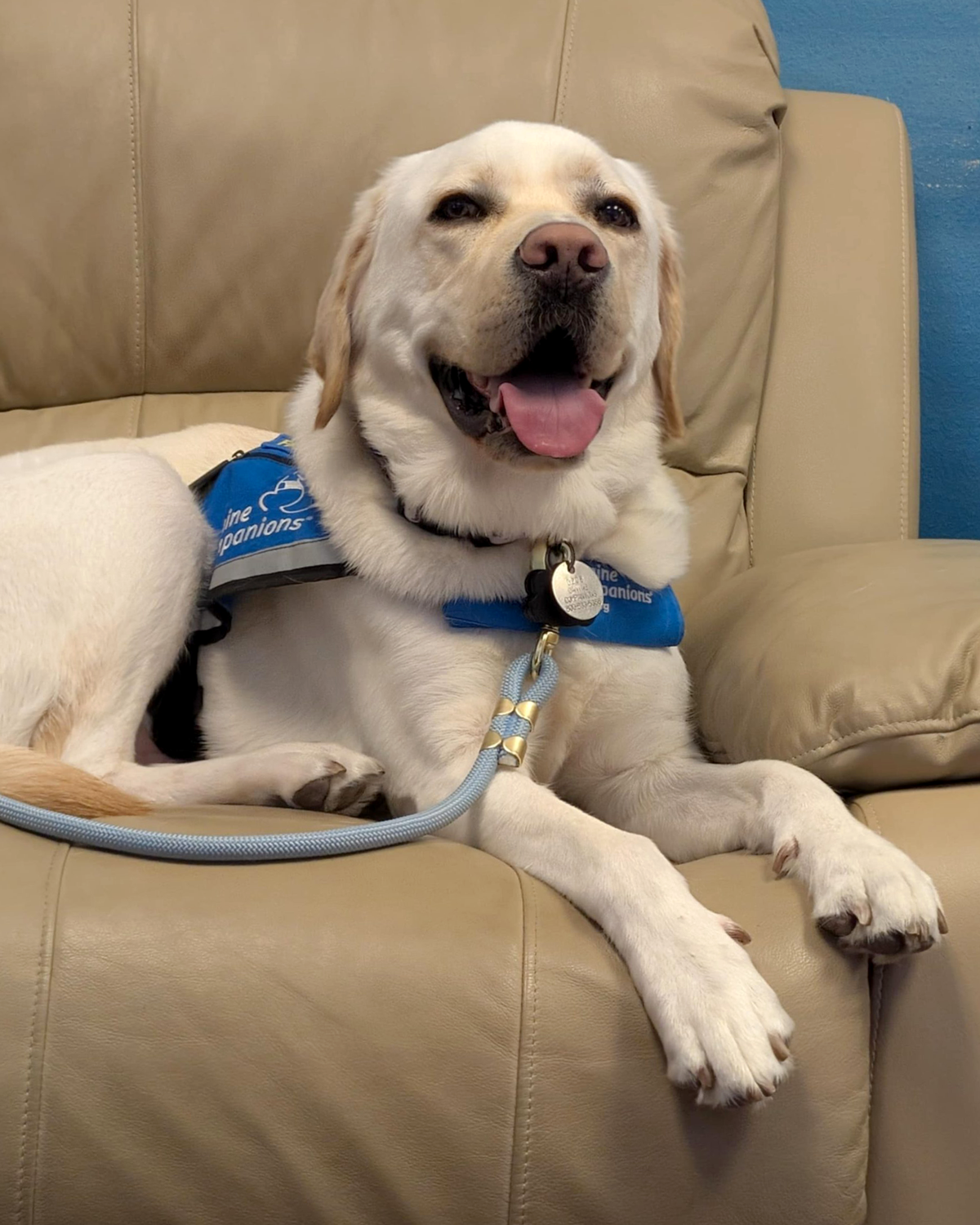
Polar was bred for his calm demeanor and strong work ethic by Canine Companions Inc. At eight weeks old, he began his journey at Duke University, where he participated in the Canine Cognition Program. Following that, he spent a year with his puppy raiser, who provided him with a safe home and taught him basic skills and socialization.
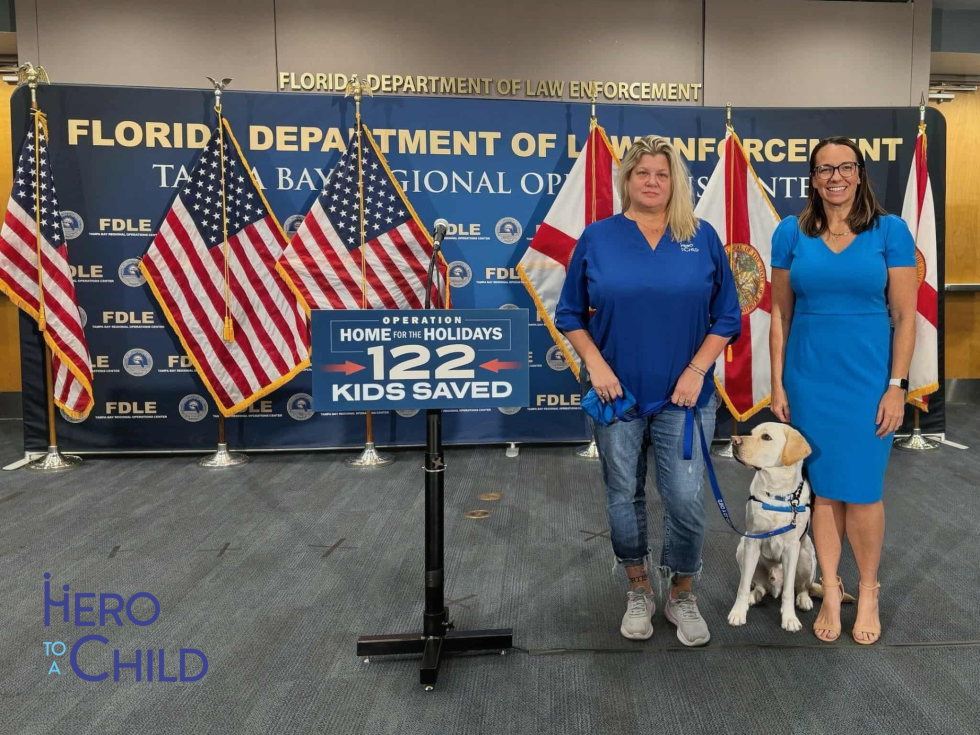
When Polar was a year and a half old, he returned to Canine Companions Inc. and successfully graduated from their accredited training program. Tammie McQueeney, a member of the Hero To A Child team, is Polar’s handler. Tammie underwent extensive training from Canine Companions to learn how to handle Polar in public and care for him throughout his life, both at work and at home.
To become certified as a facility dog team, Tammie and Polar needed to pass the ADI Public Access Test, which is the same test used for the public safety certification of service dogs. Tammie and Polar will also undergo recertification at regular intervals to ensure they continue to meet the training standards set by Canine Companions and to verify that they can safely and effectively work in public settings.
Where does Polar work?
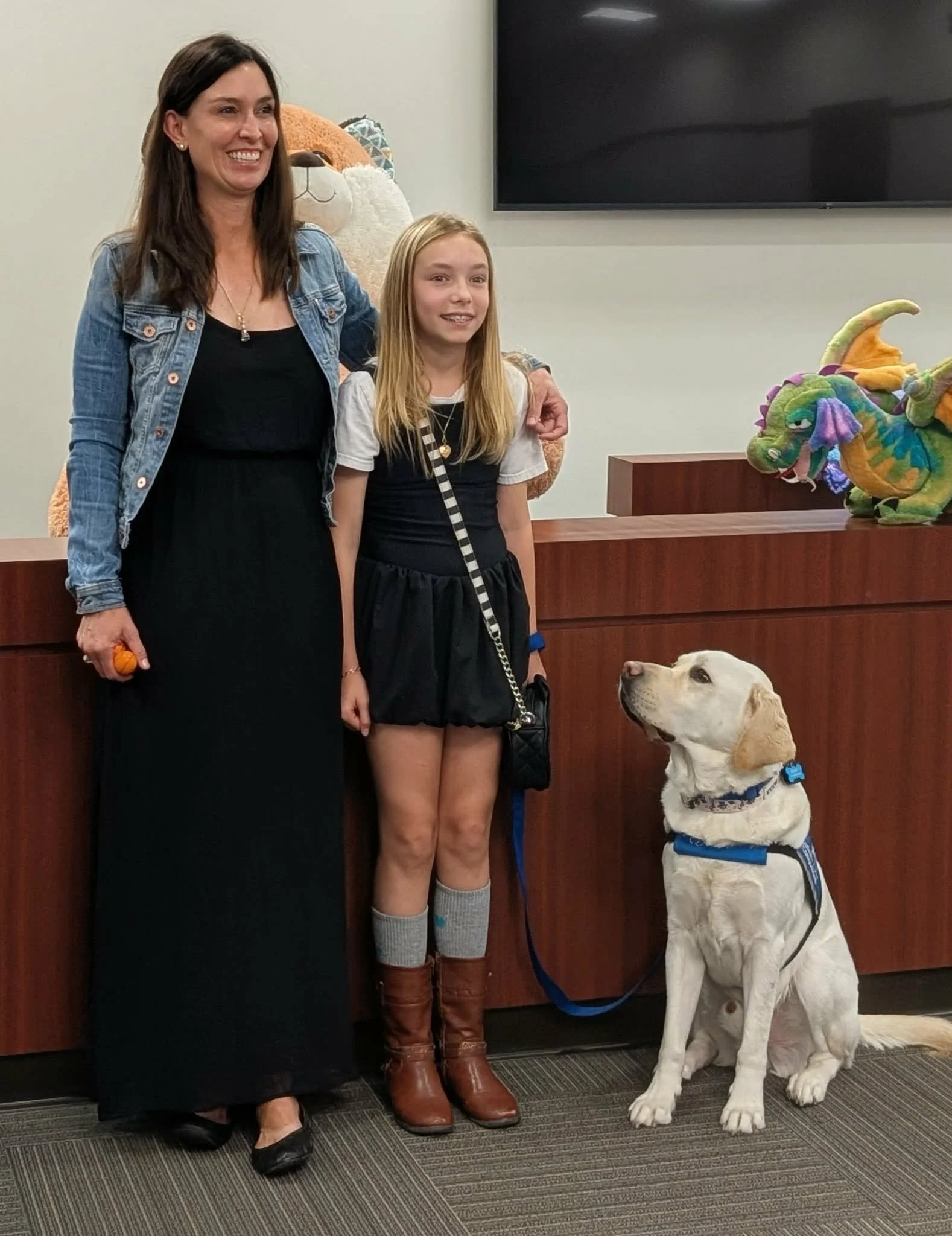
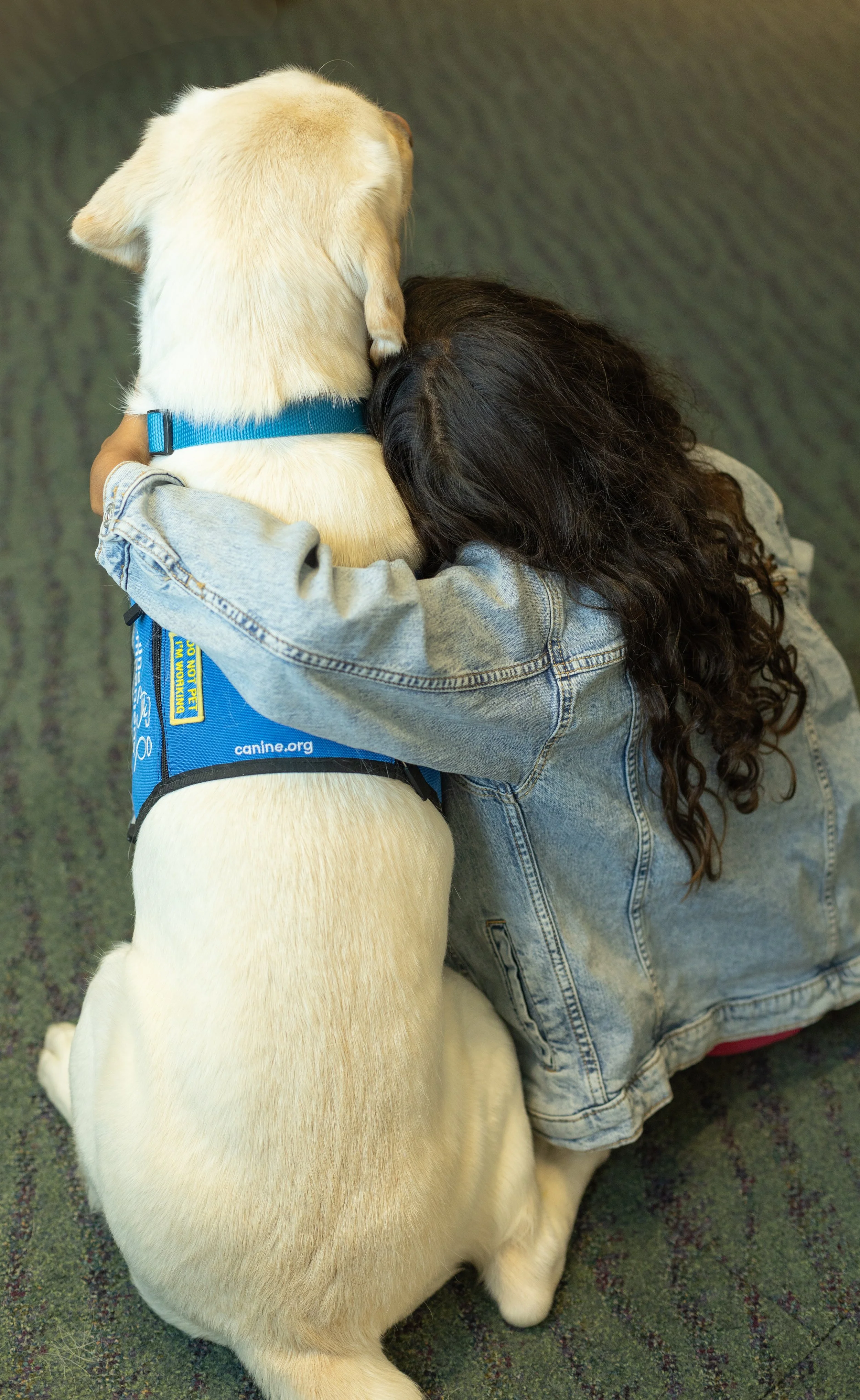
Polar supports children in the child welfare system of Pasco and Pinellas Counties through a partnership with our local courthouses and the Child Advocacy Center. At the request of judges, staff from the Child Advocacy Center, and leadership from the Guardian ad Litem program, Polar will be present to assist children during some of their most challenging experiences. This includes courtroom testimony, forensic interviews, depositions, and medical exams. With his calming presence and unwavering affection, Polar will provide comfort and emotional support to the most vulnerable children when they need it the most.
How do I request Polar for a case?
To request Polar’s services for a child in care, please send an email to his handler, Tammie McQueeney, at TammieM@herotoachild.org. Include the date, time, and any relevant details regarding the case. We will make every effort to accommodate your request and ensure that Polar is available when he is needed most.
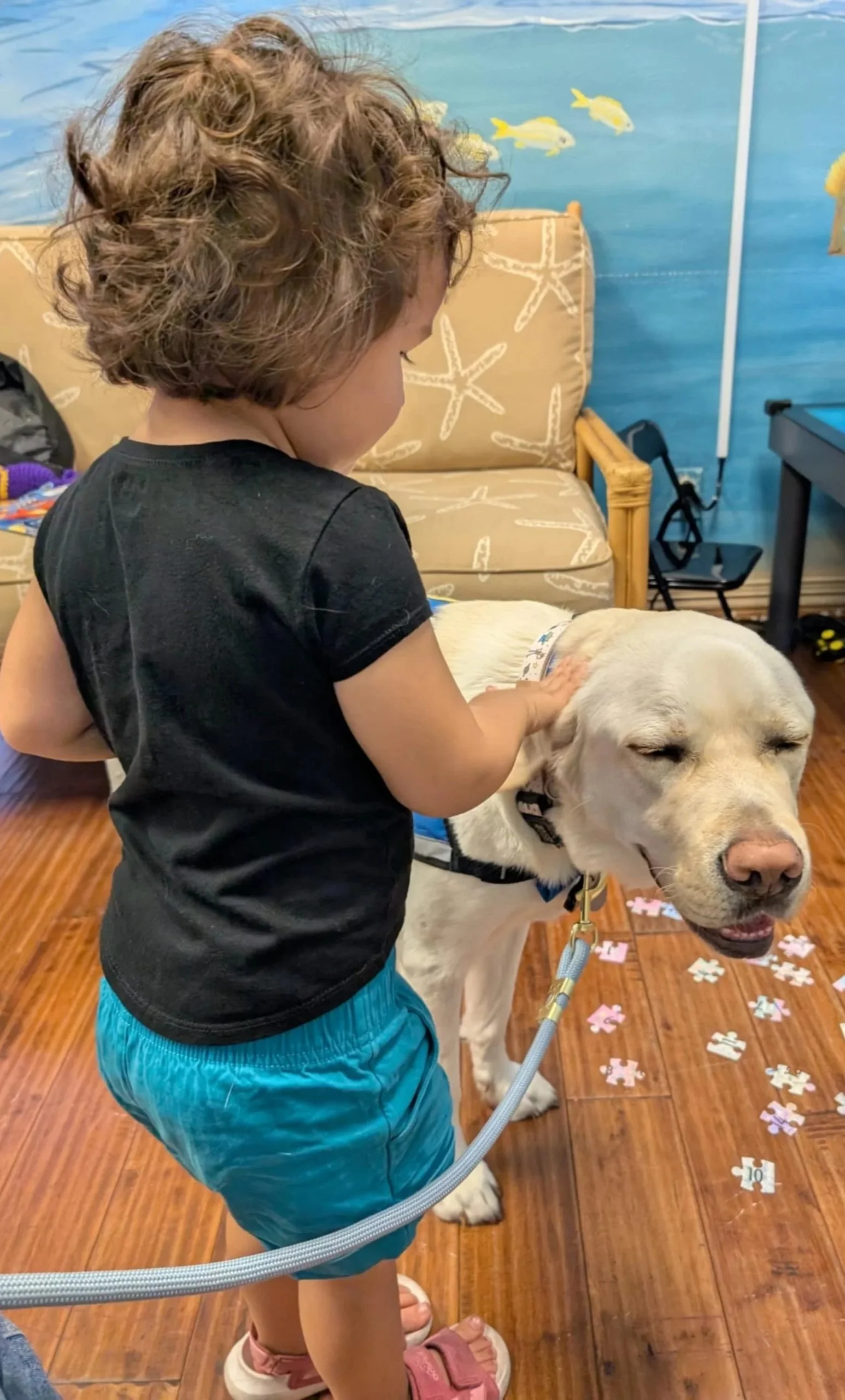
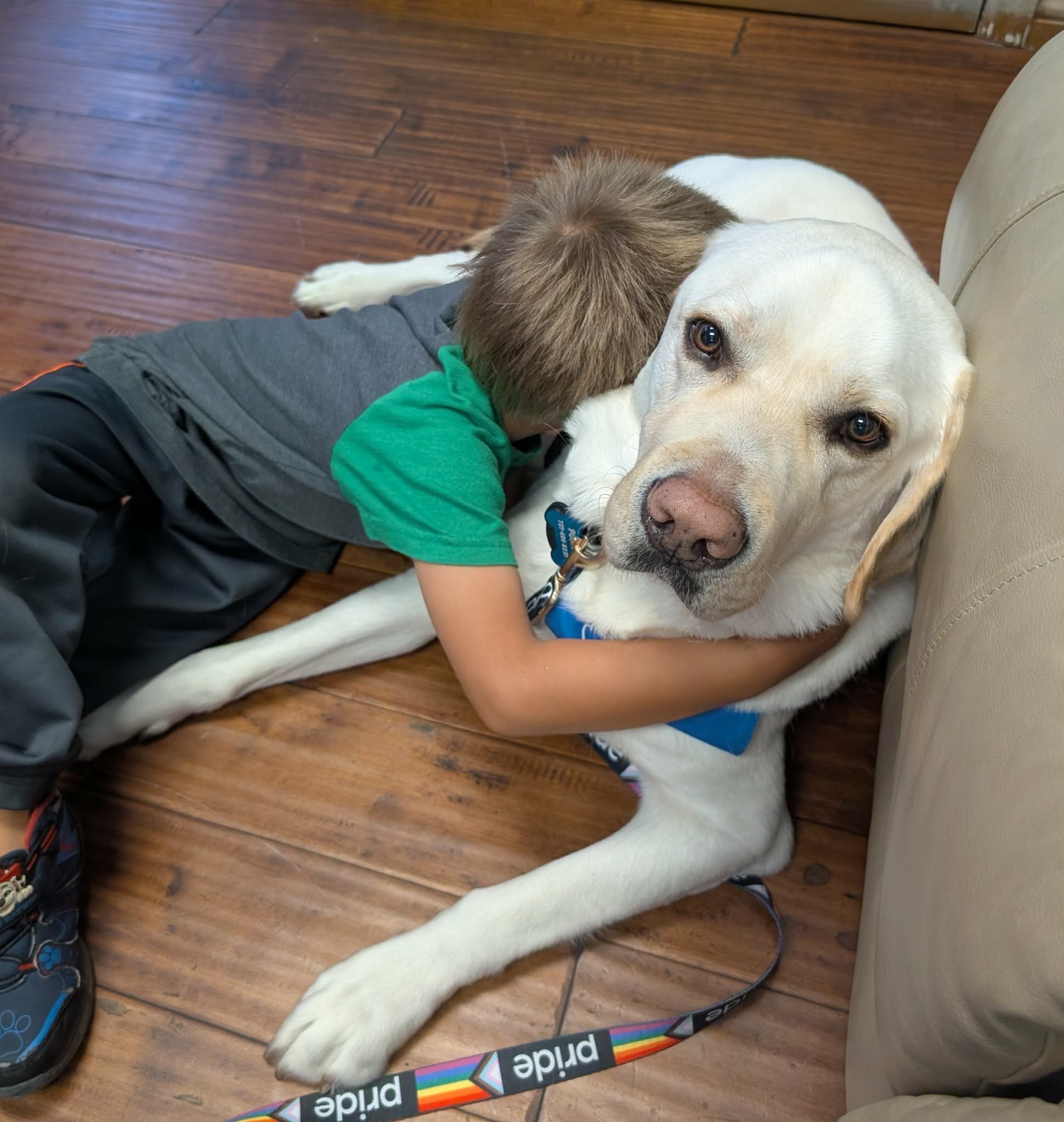
What is a courthouse facility dog?
Courthouse facility dogs are professionally trained animals that work across the country in prosecutor’s offices, child advocacy centers, and family courts. These dogs come from specially bred litters and are socialized to adapt to a wide range of environments, including public spaces, crowded restaurants, interaction with children of all ages, elevators, open stairways, cats, office workspaces, and public transportation. This extensive socialization from an early age result in dogs that remain calm and composed in public settings as adults.
The primary role of these dogs is to provide a calming presence for children during stressful legal proceedings. As legally neutral companions, they support vulnerable witnesses throughout the investigation and prosecution of crimes, making it easier for these individuals to share their experiences. Additionally, the dogs offer emotional support to participants involved in family court proceedings as well as in specialty and treatment courts.
What’s the difference between a facility dog and a therapy dog?
There is often confusion between courthouse facility dogs and therapy dogs, but they serve distinct roles, particularly within legal settings. Both provide meaningful support, but facility dogs are specifically trained and integrated to work within professional environments like the courtroom.
A courthouse facility dog is trained by a professional organization accredited by Assistance Dogs International (ADI), which sets rigorous global standards. This accreditation ensures that the dog has been carefully selected and extensively trained for temperament, behavior, and reliability in high-stress environments.
The training process for a facility dog is both intensive and long-term. These dogs are typically raised within structured programs from puppyhood, undergoing over a year of guided socialization followed by advanced professional training. They are also paired with a trained handler who works alongside them as part of a professional team, allowing them to be safely and effectively integrated into legal proceedings.
Facility dogs are evaluated continuously throughout their training and working careers. They must demonstrate exceptional calmness, focus, and stability, particularly around children and in unpredictable environments. Any signs of aggression, excessive excitability, or unsuitability for the work result in removal from the program. In addition, facility dogs are required to maintain ongoing certification and are regularly re-evaluated to ensure they continue to meet the highest standards throughout their working lives.
In contrast, therapy dog training and certification can vary widely depending on the organization. Many programs rely on shorter training timelines and single-point evaluations, often focused on general temperament and basic obedience rather than preparation for complex, high-stress professional environments. While therapy dogs provide valuable comfort in many settings, they are not specifically trained or positioned to operate within the structured demands of the legal system.
Another key distinction is the nature and duration of their work. Therapy dogs typically serve in short, scheduled visits and are often limited to approximately two hours at a time, depending on the organization’s guidelines. Facility dogs, however, are integrated into daily operations and often work extended hours throughout the week as part of their assigned role. Their presence is consistent, reliable, and aligned with the ongoing needs of the children and professionals they support.
In short, while both therapy dogs and facility dogs offer comfort and connection, courthouse facility dogs are uniquely trained, evaluated, and positioned to support children and professionals within the legal process in a safe, reliable, and highly specialized way.
Are there other Courthouse Dogs in FL?
Yes! Polar is the first courthouse facility dog serving the children and youth of the Pinellas and Pasco child welfare system. He is one of three dogs currently working in an official capacity in the state.
The other facility dogs are located at:
- Voices for Children in Tampa (2 Dogs)